


Tracking one thing
Track Newborn Diaper Changes for a Clearer Handoff
A newborn diaper-change tracker answers a narrow household question: when was the last change recorded? Wen keeps that occurrence shared and factual. It does not assess a baby's health, prescribe a routine, or replace professional care instructions.
Keep the diaper record simple
Choose only the event details your household actually needs. A shared handoff record should not pretend to be a complete clinical chart.
- Record that a diaper change happened and when it was marked.
- Use one plain label that every caregiver recognizes.
- Use a separate record if your household needs to distinguish wet and soiled changes.
- Keep any clinician-requested observations in the format that clinician specifies.
Why caregivers may record diaper changes
Newborn care moves between caregivers, often while everyone is tired. A timestamp can answer the ordinary handoff question without searching messages or guessing from memory. It records what happened, not what should happen next.
The CDC publishes newborn feeding information that includes wet-diaper observations as one kind of information used in infant care. That clinical context is not a schedule for Wen and does not tell the app how to interpret an individual baby.
Source: Newborn Breastfeeding Basics
Keep health questions with a health professional
Diaper output can be discussed alongside feeding, age, medical history, and other observations. A sequence of Wen marks cannot establish whether a baby is hydrated, feeding well, or unwell. It cannot replace a midwife, health visitor, pediatrician, or other qualified professional.
The CDC's home diapering guidance focuses on safe changing and hand hygiene. Wen can record that a change was completed, but it does not verify hygiene, detect a problem, or provide care instructions.
- Use neutral labels such as “diaper changed.”
- Do not label a change as enough, overdue, normal, or abnormal.
- Do not infer hydration or health from time gaps or counts.
- Follow professional instructions when a formal record is needed.
Sources: Newborn Breastfeeding Basics, Healthy Habits: Diaper Changing at Home
Make one mark answer one question
If the household only asks when the last diaper change happened, one factual Sticker may be enough. If caregivers need separate questions answered, create distinct labels rather than hiding several meanings inside one mark.
Archive the record when it no longer helps a real handoff. A useful newborn log stays quick to scan and does not become a second care system.
Wen
How Wen helps track diaper changes
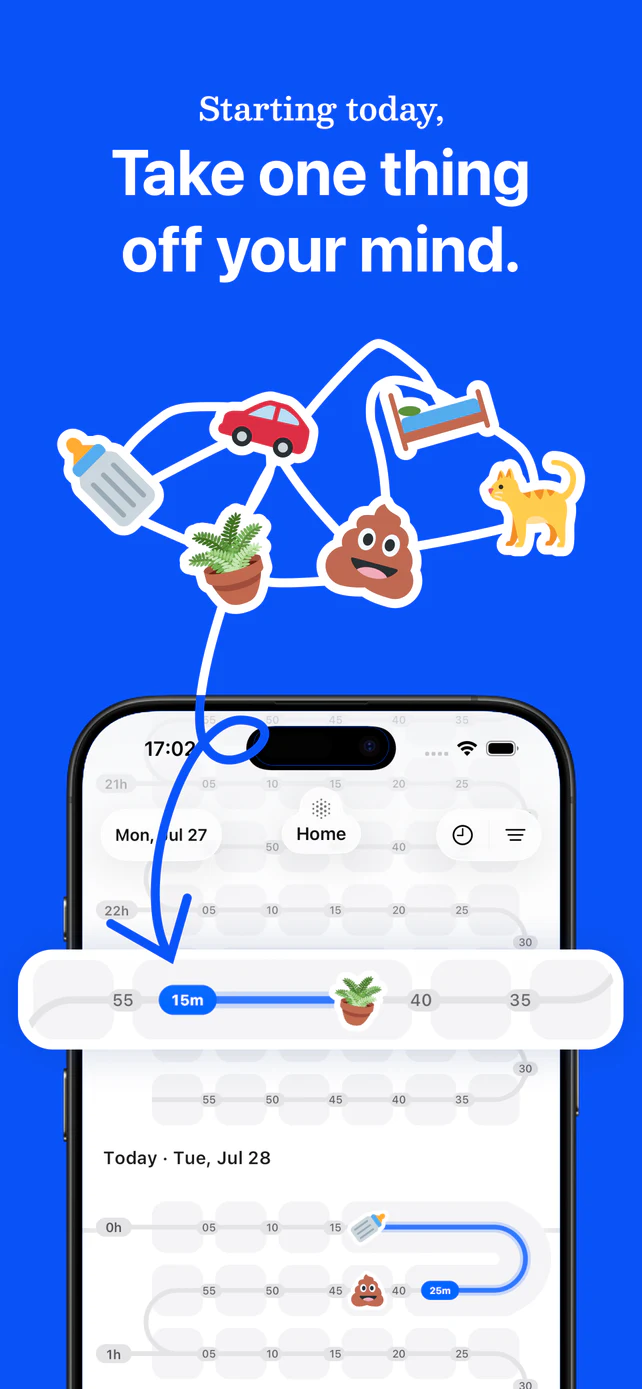
Wen lets an invited caregiver mark a diaper-change Sticker on a shared Timeline. The latest mark answers when that event was recorded, while the history remains available to the household. Wen does not count, interpret, or set a diaper routine.
- Create one neutral diaper-change Sticker.
- Mark it when the change happens.
- Let invited caregivers check the same last-tracked time.
A handoff record, not newborn-care advice
Wen does not recommend diapering frequency, feeding, hydration, hygiene products, or health action. It does not interpret diaper patterns or replace a professional care record. Contact an appropriate health professional if you need advice or are concerned about a baby.
Sources and further reading
- Newborn Breastfeeding BasicsUS Centers for Disease Control and Prevention, accessed 2026. Clinical context that includes wet-diaper observations among newborn feeding information; not a Wen schedule.
- Healthy Habits: Diaper Changing at HomeUS Centers for Disease Control and Prevention, 2024. Official home diaper-changing and hygiene guidance.
Sources last verified 2026-08-08.