


Tracking one thing
Track When You Last Deep-Cleaned Your Reusable Water Bottle
A reusable water-bottle tracker answers a practical memory question: when was this named bottle last deep-cleaned? Wen keeps the confirmed mark and history. It does not define deep cleaning, inspect the bottle, or decide whether it is clean, safe, or ready to drink from.
Define the bottle-cleaning event
A drinking bottle, cap, straw, valve, filter, and baby bottle are different records. Name the specific bottle and the household-defined deep-cleaning event you want to remember.
- Name the person, room, bottle, lid, or use clearly.
- Keep deep cleaning separate from routine washing, cap or straw cleaning, filter replacement, and replacing the bottle.
- Mark the Sticker after the chosen deep-cleaning event is complete.
- Keep any reminder separate from the factual cleaning history.
Why the last deep clean disappears
A reusable bottle can be cleaned as part of a larger kitchen or travel routine without leaving a date that the household can find later. Lids, straws, valves, and several bottles can also make the remembered event ambiguous.
A named mark preserves which bottle event the household recorded. It does not turn a date into a cleanliness judgment or a universal schedule.
Bottle context stays with the source
A small 2024 study examined microbial populations on a limited set of everyday bottles and tested washing strategies. Its measured results do not establish a universal cleaning frequency, safety threshold, or conclusion for every bottle or household.
First-party care pages from CamelBak, Hydro Flask, and Nalgene show that bottles, lids, removable parts, materials, and dishwasher directions vary by product. Those sources are useful places to find the instructions for a specific bottle, not a generic method from Wen.
Sources: Daily Use Water Bottles as a Hub for Microbial Population, Care and Cleaning, Three Ways to Clean a Bottle
Record the event, not a cleanliness conclusion
A household can mark that a named reusable bottle was deep-cleaned using its own definition of the event without asking the app to judge the result.
Wen can preserve when the household marked the event. It cannot inspect the bottle, measure microbes, certify drinkability, or confirm food-contact safety.
Sources: Daily Use Water Bottles as a Hub for Microbial Population, Care and Cleaning, Three Ways to Clean a Bottle, FAQ
Wen
How Wen helps track reusable water-bottle deep cleaning
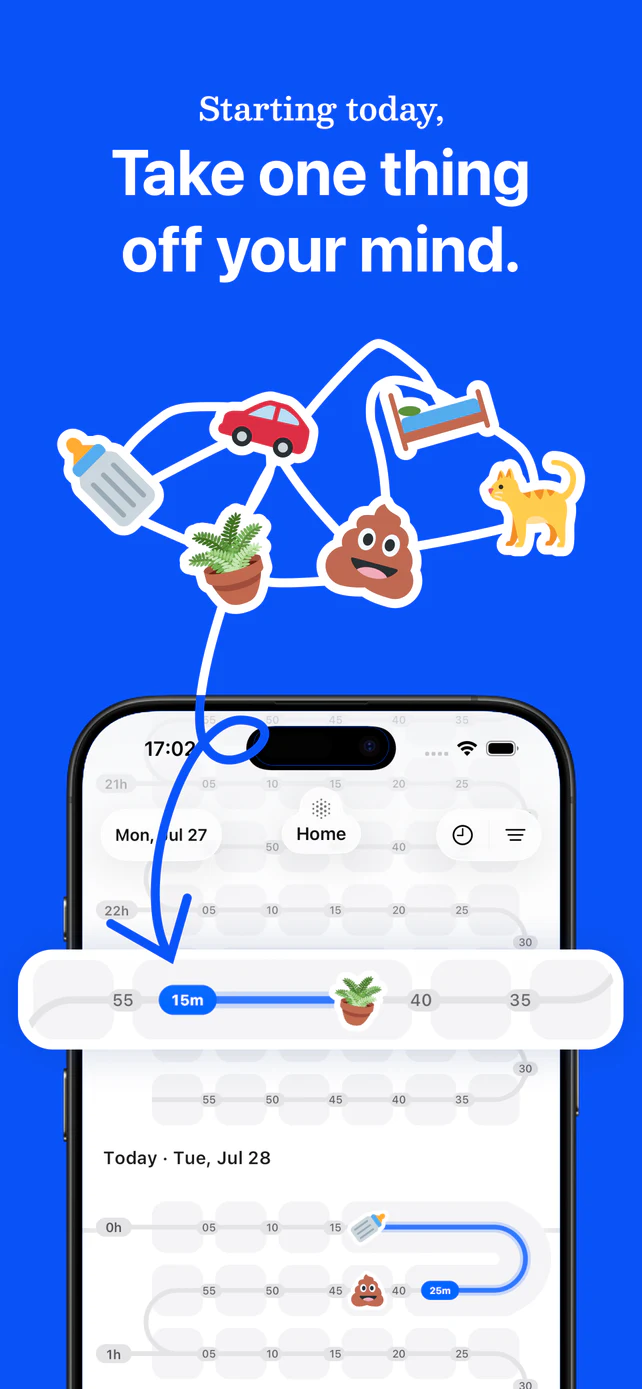
Wen gives a named reusable drinking bottle a Sticker, a last-tracked time, and shared history. The person who completes the household's chosen deep-cleaning event can mark it, and invited household members can find the same answer later.
- Create a Sticker for the specific reusable drinking bottle.
- Mark it after the chosen deep-cleaning event is complete.
- Check Last Tracked later instead of guessing from memory.
A factual record, not a cleaning guide
Wen does not define deep cleaning, prescribe products or methods, set a cleaning interval, inspect a bottle, assess microbial growth, or provide food-safety guidance. Follow the bottle manufacturer's instructions and appropriate professional guidance outside Wen.
Sources and further reading
- Daily Use Water Bottles as a Hub for Microbial PopulationPubMed, 2024. Original study context for a limited set of bottles and tested washing strategies; not a universal household schedule or safety threshold.
- Care and CleaningCamelBak, accessed 2026. First-party example of product and component variation; follow the instructions for the specific bottle outside Wen.
- Three Ways to Clean a BottleHydro Flask, accessed 2026. First-party example of bottle-series and component-specific care; not a generic Wen method or schedule.
- FAQNalgene, accessed 2026. First-party example of product-specific cleaning and drying language; not a universal instruction.
Sources last verified 2026-08-08.