


Tracking one thing
Track When You Last Pumped Breast Milk
A pumping tracker answers a narrow household question: when was the last breast-milk pumping session recorded? Wen keeps that occurrence shared and factual. It does not measure milk, assess supply, or decide how anyone should feed a baby.
Keep the pumping record descriptive
Record only the details your household actually needs for a handoff. A pumping timestamp is an occurrence record, not a feeding assessment.
- Record that a pumping or milk-expression session happened and when it was marked.
- Use a plain label that distinguishes pumping from feeding, storage, or equipment cleaning.
- Name the pump or method only if that distinction helps the household.
- Keep any clinician-requested details in the format that clinician specifies.
- Do not treat a timestamp as a measure of volume, supply, intake, or health.
Why caregivers may record pumping sessions
People express breast milk by hand or with manual, electric, or wearable pumps. The CDC describes expressing and storing breast milk as separate parts of infant-feeding care, while the Office on Women's Health notes that pumping can be part of sharing feeding responsibilities with another caregiver.
When more than one person handles feeding or stored milk, a simple timestamp can answer when the latest pumping event was recorded without reconstructing it from memory or messages. The source guidance is broader than Wen's small household record.
Sources: Breast Milk Storage and Preparation, Pumping and storing breastmilk
Keep pumping separate from related events
A pumping session is not the same event as feeding a baby, labeling or storing expressed milk, or cleaning the pump kit. Give each recurring question its own record when the household needs to distinguish them.
The CDC discusses labeling expressed milk and cleaning pumping equipment as separate contexts. A Wen mark should say only what the household chose to mark, not imply that milk was stored, consumed, or assessed.
A pumping timestamp is not a clinical measurement
A peer-reviewed qualitative study describes different reasons people pump and the work involved in pumping across the first year. That context explains why a household may want a shared memory aid, but it does not establish a schedule or say what any individual family should do.
Do not use the sequence of marks to infer milk supply, infant intake, feeding adequacy, pain, illness, or another health outcome. Keep those questions with a qualified professional and any record they request.
Source: Breastfeeding without baby: a qualitative study of mothers who express breast milk
Wen
How Wen helps track pumping
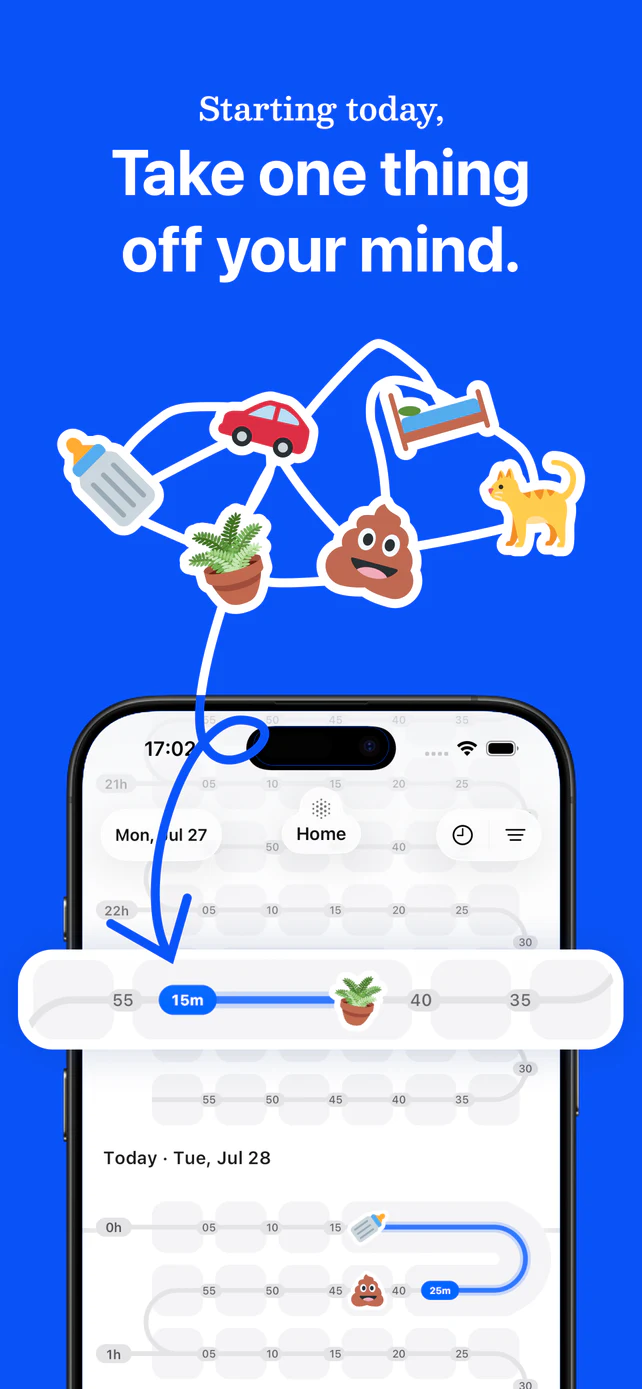
Wen lets an invited caregiver mark a factual pumping Sticker on a shared Timeline when a session happens. The latest mark answers when the event was recorded, while the history remains available to the household. Wen does not measure milk, calculate intervals, or interpret the record.
- Create one plainly named pumping Sticker.
- Mark it after the pumping or expression event happens.
- Let invited caregivers check the same last-tracked time.
A household log, not feeding advice
Wen does not recommend how often, how long, or when to pump. It does not assess supply, pain, milk volume, infant intake, feeding success, or health, and it does not confirm that milk was stored or consumed.
Sources and further reading
- Breast Milk Storage and PreparationUS Centers for Disease Control and Prevention, 2026. Official guidance describing expression, handling, storage, and the separate cleaning context for pumping equipment.
- Pumping and storing breastmilkUS Office on Women's Health, 2025. Official context on expression methods and pumping when another caregiver may help with feeding.
- Breastfeeding without baby: a qualitative study of mothers who express breast milkMaternal & Child Nutrition, indexed by PubMed, 2017. Peer-reviewed qualitative context on reasons for pumping and the workload of expressing milk; not a schedule or prevalence estimate.
Sources last verified 2026-08-08.