


Tracking one thing
Track When a Bottle Nipple or Teat Was Last Replaced
A bottle-nipple tracker answers a narrow household question: when was this nipple or teat last replaced? Wen keeps that product event shared and factual. It does not select a flow, inspect the part, or assess feeding.
Keep the nipple record product-specific
Use a label that distinguishes the bottle set or product when the household has more than one type of nipple or teat.
- Record that a named bottle nipple or teat was replaced and when it was marked.
- Keep replacement separate from bottle cleaning, sanitizing, and feeding.
- Keep flow selection and compatibility questions with the relevant product source.
- Use separate records for different bottle systems when their parts differ.
- Do not treat a timestamp as proof of hygiene, fit, feeding success, or safety.
Why caregivers may record a bottle-nipple replacement
Bottle nipples and teats are small feeding parts that may be handled by several caregivers and may look similar across bottle sets. A named replacement record can answer which product event happened and when.
Manufacturer guidance differs. Philips Avent describes inspection, damage, compatibility, and a brand-specific replacement context, while Dr. Brown's lists its own wear signs and product guidance. These sources support product-aware logging, not one Wen schedule.
Sources: How do I know when to change my Natural Response nipple?, Are my Philips Avent bottle feeding products mutually compatible?
Keep replacement separate from flow and feeding
Replacing a nipple is not the same event as changing its flow level, cleaning the bottle, preparing formula, or feeding a baby. A household may want separate Stickers for those distinct questions.
Wen records the chosen replacement event. It does not inspect silicone, valves, residue, fit, flow, compatibility, or a baby's feeding behavior.
Sources: How do I know when to change my Natural Response nipple?, Are my Philips Avent bottle feeding products mutually compatible?, Getting started with Dr. Brown's Nipples
A replacement date is not a feeding assessment
Product sources may mention damage, weakness, flow, leaking, or other feeding-part context. A timestamp cannot show whether any of those conditions exist or whether a feeding was successful.
Use the record to find when the product event was marked. Keep questions about feeding, intake, coughing, choking, or a baby's health with an appropriate professional source.
Sources: How do I know when to change my Natural Response nipple?, Are my Philips Avent bottle feeding products mutually compatible?
Wen
How Wen helps track bottle-nipple replacement
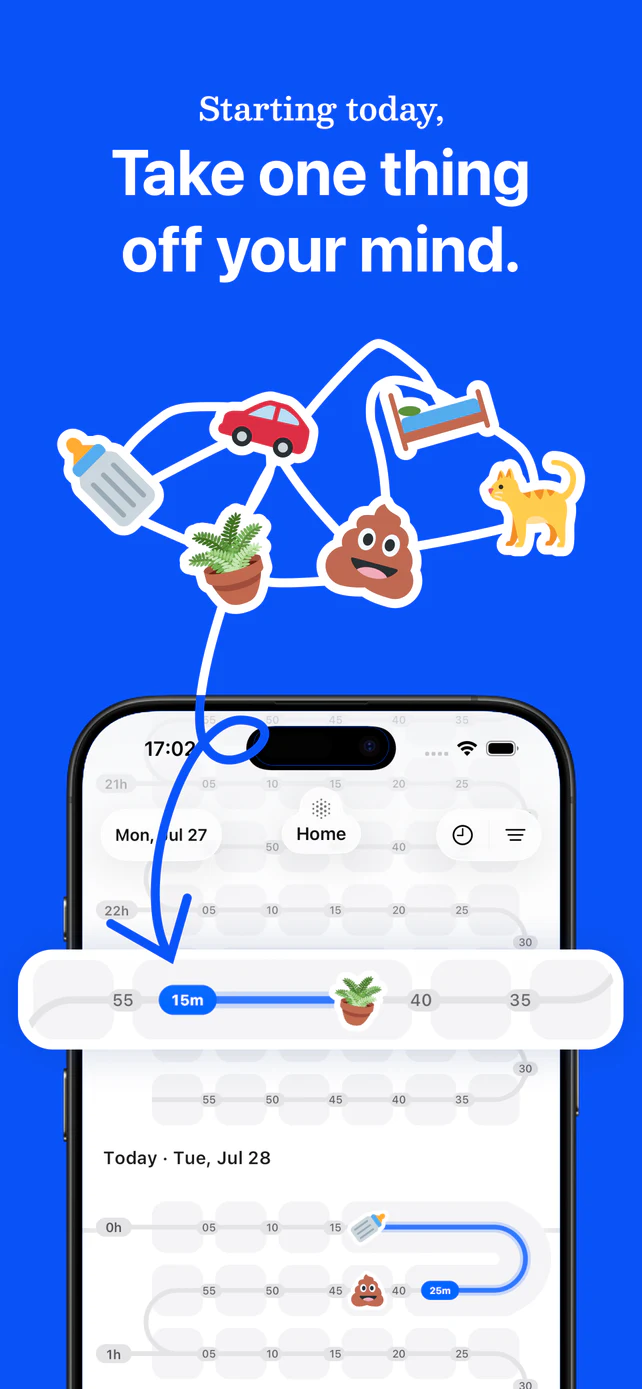
Wen lets an invited caregiver mark a bottle-nipple Sticker on a shared Timeline. The latest mark answers when that equipment event was recorded, while the history remains available to the household. Wen does not select, inspect, or validate a nipple.
- Create one clearly named bottle-nipple Sticker.
- Mark it after the replacement happens.
- Let invited caregivers check the same last-tracked time.
An equipment record, not feeding advice
Wen does not recommend a nipple flow, brand, compatibility combination, replacement interval, cleaning method, or feeding response. It does not assess feeding, safety, or health and does not replace product or professional guidance.
Sources and further reading
- How do I know when to change my Natural Response nipple?Philips Avent, accessed 2026. Manufacturer context on inspection, damage, flow, compatibility, and a Philips-specific replacement recommendation.
- Are my Philips Avent bottle feeding products mutually compatible?Philips Avent, accessed 2026. Manufacturer compatibility context showing why bottle systems and parts should not be treated as universal.
- Getting started with Dr. Brown's NipplesDr. Brown's, accessed 2026. Manufacturer context on product-specific wear signs and nipple-level guidance.
Sources last verified 2026-08-08.