


Tracking one thing
Track When You Last Replaced Your Dish Brush
A dish-brush replacement tracker answers a precise maintenance question: when did I last replace this brush or brush head? Wen keeps that occurrence factual. It does not inspect bristles, measure contamination, or decide whether a brush is safe for a task.
Separate the brush events
A kitchen may have several brushes, removable heads, and tools for different jobs. Define the event before you mark it so maintenance history does not become food-safety advice.
- Name the brush, head, sink, or task clearly.
- Keep brush replacement separate from rinsing, washing, and drying.
- Record a replacement head independently when the handle stays in use.
- Mark the event after the new brush or head is fitted.
- Keep manufacturer care instructions outside the factual timestamp.
Why the last brush change is easy to lose
Dish brushes are used quickly and may look similar after a replacement head is fitted. In a shared kitchen, the person who notices wear may not be the person who buys the replacement. A simple mark preserves which change happened and when.
Separate records also help distinguish a dish brush from a bottle brush, surface brush, or another tool. Wen records the named maintenance event rather than assuming every brush follows the same pattern.
Use research as context, not a verdict
Laboratory work by Møretrø and colleagues found that brushes dried faster than sponges and that tested bacteria declined more quickly in brushes. A separate consumer study observed lower bacterial levels in sampled used brushes than in sponges. These studies did not establish that every brush is safer in every household, nor did they test Wen or measure illness outcomes.
The useful takeaway for this page is that brush and sponge events are different records. It is not a reason to turn a study result into a universal replacement interval or a sponge-versus-brush health verdict.
Sources: Dishwashing sponges and brushes: consumer practices and bacterial growth and survival, Bacterial levels and diversity in kitchen sponges and dishwashing brushes used by consumers
Let product guidance stay product-specific
Manufacturer pages can describe bristle wear, drying, replacement heads, or a lifespan for one named brush system. Those instructions depend on the handle, material, head, dishwasher assumptions, and use pattern. They should not be generalized to every dish brush.
Wen can remember when your household replaced the selected brush. It cannot inspect bristles or determine that the brush remains suitable for a particular job.
Sources: SinkTech Washing-Up Brush with Replacement Head, How long do dish brush and bottle brush heads last?
Record the replacement, not a food-safety conclusion
A useful mark means “this named brush or head was replaced.” It does not mean that the brush is clean, safe, contaminated, or capable of preventing illness.
If a kitchen needs a formal food-safety procedure, follow the relevant authority, workplace, or product instructions. Wen remains a lightweight household maintenance record.
Wen
How Wen helps track dish-brush replacement
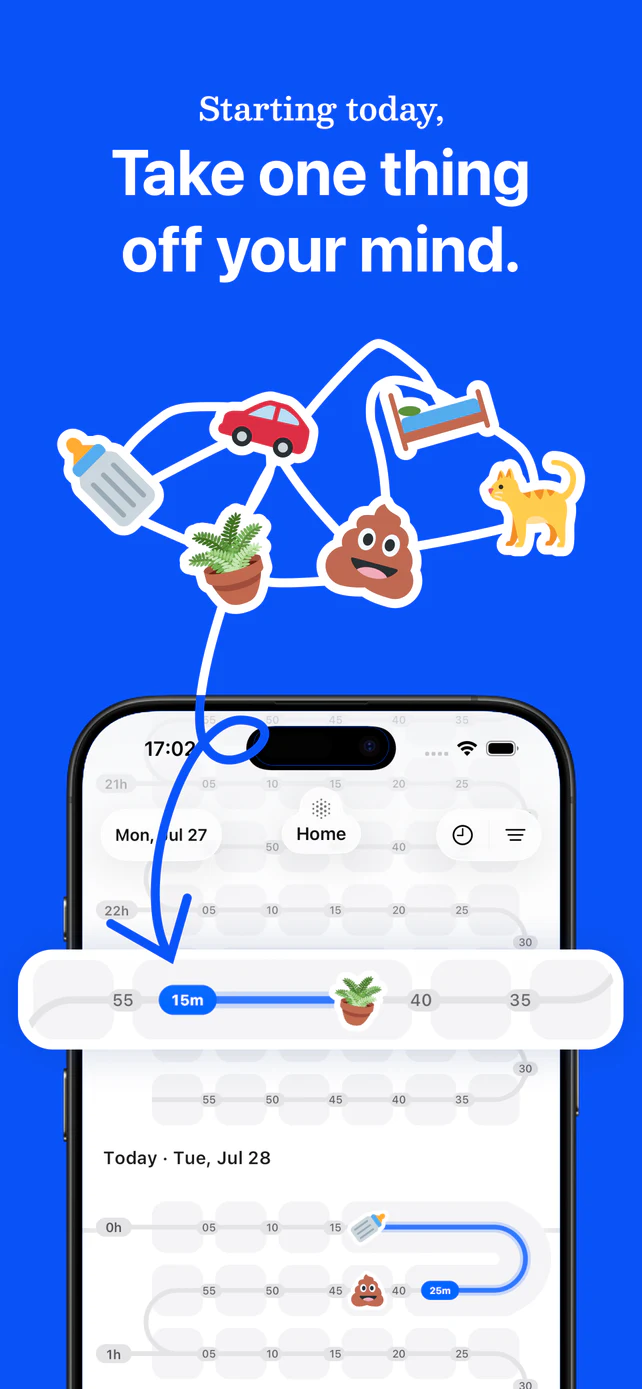
Wen lets a household mark a dish-brush Sticker on a shared Timeline. The latest mark answers when the replacement was recorded, while invited people can see the history. Wen does not examine the brush, measure drying, or judge food safety.
- Create one Sticker for the selected brush or replacement head.
- Mark it when the new brush or head is fitted.
- Check Last Tracked when someone asks when the change happened.
A maintenance record, not food-safety advice
Wen does not prescribe a brush lifespan, assess bristles, verify cleaning or drying, compare brushes as a health verdict, or prevent foodborne illness. It records the maintenance event you choose and keeps the history available.
Sources and further reading
- Dishwashing sponges and brushes: consumer practices and bacterial growth and survivalInternational Journal of Food Microbiology, 2021. Primary survey and laboratory study; it does not establish a universal brush lifespan or household health outcome.
- Bacterial levels and diversity in kitchen sponges and dishwashing brushes used by consumersJournal of Applied Microbiology, 2022. Primary consumer-sample and storage study with convenience samples and no illness outcomes or universal household schedule.
- SinkTech Washing-Up Brush with Replacement HeadJoseph Joseph, accessed 2026. Official guidance for one brush system, including condition-based maintenance cues; not a food-safety standard for all brushes.
- How long do dish brush and bottle brush heads last?Koh, 2026. Official guidance for named Koh products; product-specific intervals and dishwasher assumptions cannot be generalized.
Sources last verified 2026-08-08.