


Tracking one thing
Track When Breast-Pump Parts Were Last Cleaned
A breast-pump cleaning tracker answers a narrow household question: when were the milk-contact parts last recorded as cleaned? Wen keeps that event shared and factual. It does not inspect the kit, verify cleaning, or decide whether parts are safe.
Define the pump-cleaning event
A pump kit can contain several detachable parts. Name the event your household means by “cleaned” and keep it separate from sanitizing, inspection, or replacement.
- Name the pump, kit, or household location clearly.
- Record cleaning of the milk-contact parts as the chosen event.
- Keep cleaned, sanitized, inspected, and replaced as separate records.
- Follow the pump manufacturer's instructions for compatible methods.
- Do not treat a timestamp as proof that residue, damage, mold, or contamination was absent.
Why the last cleaning event is easy to lose track of
Breast-pump kits may include shields, bottles, valves, membranes, connectors, and other parts that are handled repeatedly. The CDC and FDA describe cleaning the parts that contact breast milk as a distinct equipment task, which gives households a concrete event to name and record.
A shared mark can reduce the need to reconstruct which caregiver handled the kit or when it was last cleaned. It records the household's statement, not an inspection of the equipment.
Sources: How to Clean and Sanitize Breast Pumps, Cleaning a Breast Pump
Cleaning is not the same as sanitizing
Public-health guidance distinguishes cleaning from additional sanitizing steps and points to factors such as the baby's age, prematurity, health, and the manufacturer's instructions. Those source conditions should remain with the source and must not become a Wen default reminder or schedule.
Keep cleaning, sanitizing, drying, inspecting, tubing replacement, and valve or membrane replacement as separate events when the household needs to tell them apart. One mark must not silently stand for all of them.
Sources: How to Clean and Sanitize Breast Pumps, Cleaning a Breast Pump
Use the product instructions for the method
The FDA and pump manufacturers direct users to the equipment's instructions for dishwasher compatibility and cleaning methods. A general tracker page can explain that models differ, but it should not become a universal recipe for boiling, steaming, brushes, soap, wipes, or chemicals.
Wen can preserve when the household marked the chosen event. It cannot inspect the motor, tubing, residue, damage, microbial contamination, or compatibility of a cleaning method.
Sources: Cleaning a Breast Pump, Cleaning your breast pump equipment
Wen
How Wen helps track pump-part cleaning
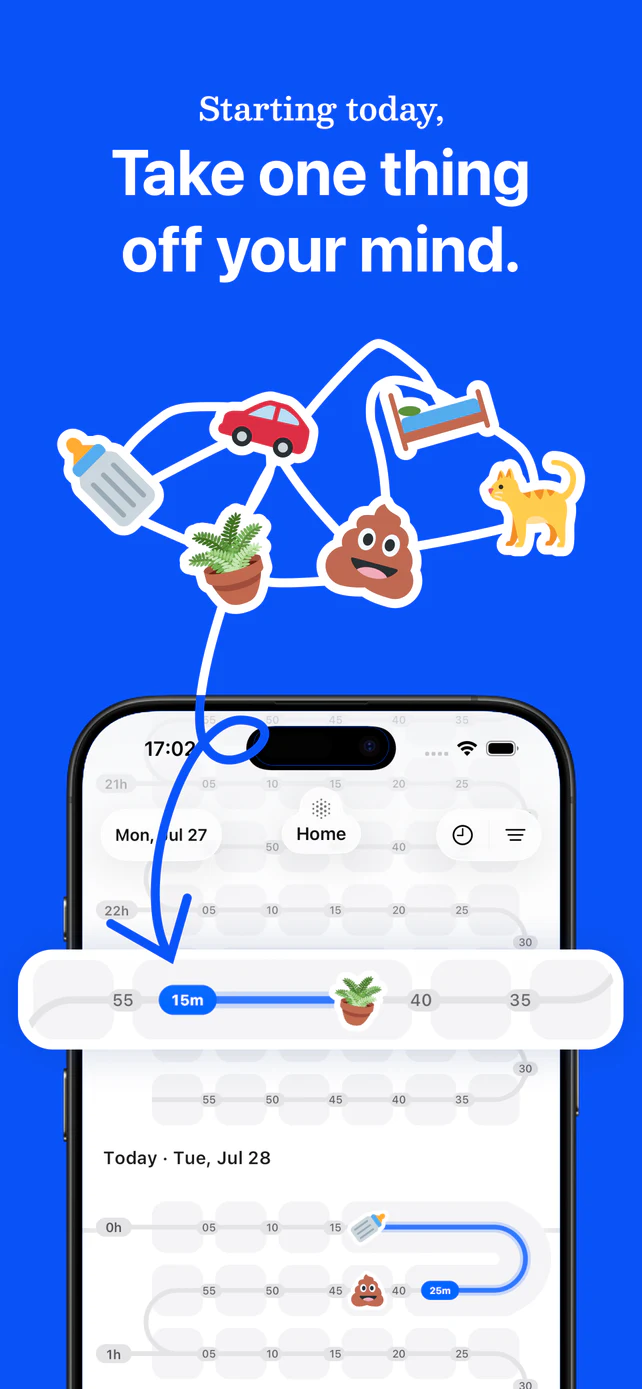
Wen lets an invited caregiver mark a pump-cleaning Sticker on a shared Timeline after the household's chosen cleaning event. The latest mark answers when it was recorded, while the history remains available to the household. Wen does not verify the method or result.
- Create one Sticker for the named pump kit.
- Mark it after the chosen cleaning event is complete.
- Keep sanitizing and replacement as separate records if needed.
A cleaning record, not hygiene advice
Wen does not prescribe a cleaning or sanitizing schedule, choose a method, inspect pump parts, diagnose contamination, or guarantee a safe feeding setup. Follow the pump instructions and appropriate professional guidance for care questions.
Sources and further reading
- How to Clean and Sanitize Breast PumpsUS Centers for Disease Control and Prevention, 2024. Official guidance distinguishing cleaning, sanitizing, drying, storage, and manufacturer-specific methods.
- Cleaning a Breast PumpUS Food and Drug Administration, accessed 2026. Official device guidance covering milk-contact parts, the electrical unit, and consulting the instruction manual.
- Cleaning your breast pump equipmentMedela, accessed 2026. Manufacturer context supporting model-specific cleaning instructions.
Sources last verified 2026-08-08.