


Tracking one thing
Track When Bottle-Feeding Equipment Was Last Cleaned
A bottle-equipment cleaning tracker answers a narrow household question: when were these feeding parts last recorded as cleaned? Wen keeps that event shared and factual. It does not inspect bottles, assess formula, or decide whether equipment is safe.
Name the bottle-cleaning event clearly
Bottle systems can include bottles, nipples, rings, caps, valves, and membranes. Record the event your household means by “cleaned” and keep related feeding events separate.
- Name the bottle set, child, room, or household use clearly.
- Record cleaning of the bottle and milk-contact parts as the chosen event.
- Keep cleaned, sanitized, replaced, prepared, and fed as separate records.
- Follow the bottle or feeding-system manufacturer's instructions.
- Do not treat a timestamp as proof that equipment was clean, sterile, or safe.
Why caregivers may record bottle cleaning
The CDC describes bottle-feeding supplies as bottles, nipples, rings, caps, and any valves or membranes that are part of the system. Several caregivers may handle those parts during a busy day, so the last recorded cleaning can be a useful handoff question.
Wen preserves the household's chosen occurrence. It does not inspect the parts or decide whether the cleaning met a public-health, clinical, or manufacturer standard.
Source: About Feeding From a Bottle
Keep cleaning separate from feeding and formula
Cleaning a bottle is not the same event as feeding a baby, preparing formula, opening a formula container, handling leftovers, or sanitizing the equipment. Separate records prevent one mark from carrying several meanings.
CDC guidance treats formula preparation and feeding-item cleaning as related but distinct topics. If a household needs those details, it should use the relevant source or professional instructions rather than asking Wen to infer them from a timestamp.
Sources: How to Clean, Sanitize, and Store Infant Feeding Items, Infant Formula Preparation and Storage
A cleaned mark is not a safety verdict
Public-health guidance may describe cleaning, drying, sanitizing, water, age, and health-status conditions. Those conditions belong to the guidance in its stated context and do not create a universal Wen workflow.
A Wen mark says that the household recorded its chosen event. It does not prove that a bottle is sterile, that milk or formula was prepared correctly, or that a feeding was safe or appropriate.
Source: How to Clean, Sanitize, and Store Infant Feeding Items
Wen
How Wen helps track bottle-equipment cleaning
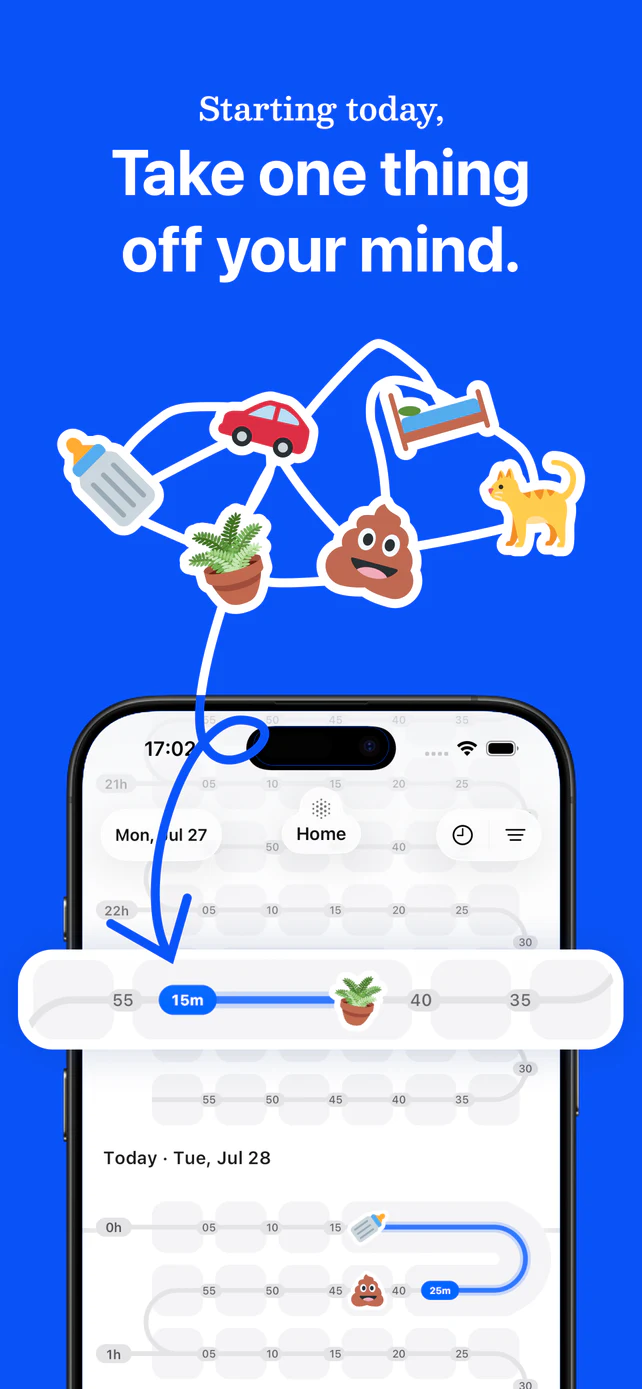
Wen lets an invited caregiver mark a bottle-cleaning Sticker on a shared Timeline after the chosen cleaning event. The latest mark answers when it was recorded, while invited caregivers can find the same history later. Wen does not inspect or validate the equipment.
- Create one Sticker for the named bottle set.
- Mark it after the chosen cleaning event is complete.
- Keep feeding, formula, sanitizing, and replacement as separate records.
An equipment record, not feeding advice
Wen does not prescribe cleaning methods, sanitizing schedules, formula preparation, storage, warming, or discard decisions. It does not detect contamination, assess a baby's health, or guarantee that equipment is safe for feeding.
Sources and further reading
- About Feeding From a BottleUS Centers for Disease Control and Prevention, 2026. Official description of bottle parts and the cleaning context for milk or formula supplies.
- How to Clean, Sanitize, and Store Infant Feeding ItemsUS Centers for Disease Control and Prevention, 2025. Official guidance on separating parts, cleaning, drying, sanitizing, and following manufacturer instructions.
- Infant Formula Preparation and StorageUS Centers for Disease Control and Prevention, 2026. Official formula-preparation and leftover-handling context kept separate from the equipment timestamp.
Sources last verified 2026-08-08.