


Tracking one thing
Track When You Last Changed the Seasonal Tire Set
A seasonal-tire change tracker answers a practical household question: when did we last change the seasonal tire set on the named vehicle? Wen records the household's confirmed mark. It does not decide when a change is needed, identify the right tires, or verify the vehicle's safety.
Define the seasonal-tire event
Changing a seasonal tire set, installing or removing a winter set, swapping complete wheels, remounting tires, rotating tires, and replacing tires are different events. Name the one your household wants to remember.
- Name the vehicle and seasonal set clearly, using the household's local terms.
- Optionally distinguish the direction, such as a winter set installed or removed.
- Keep seasonal changes separate from tire rotation, replacement, pressure, alignment, and inspection records.
- Mark the Sticker after the chosen seasonal-tire event is complete.
- Keep reminders separate from the factual history.
Why the last seasonal-tire date disappears
A vehicle may be shared by several people, and seasonal tires may be handled during a larger service visit. The household may remember that the vehicle changed sets without remembering which date belongs to the event.
A named mark preserves the vehicle, the set, and the chosen event. It does not turn a timestamp into a weather rule, service interval, or statement about the vehicle's condition.
Seasonal tire language varies by service
NHTSA distinguishes summer, winter, all-season, and other tire categories and points vehicle-specific questions to the owner's manual. Michelin also distinguishes changing a complete wheel set from remounting a tire on a wheel.
That context supports making the event label explicit. It does not establish when a change should happen, whether a tire fits a vehicle, or which service was performed unless the household records that event.
Sources: Tire Safety Ratings and Awareness, Summer vs. Winter vs. All-Season Tires
Record the change without judging the vehicle
A household can record that its chosen seasonal-tire event happened without making Wen responsible for the tire set, wheels, mounting service, or vehicle documentation.
Wen can preserve when the household marked the event. It cannot select tires, calculate a weather trigger, inspect tread or pressure, evaluate fit, or verify roadworthiness, legal compliance, or driving safety.
Sources: Tire Safety Ratings and Awareness, Summer vs. Winter vs. All-Season Tires
Wen
How Wen helps track a seasonal-tire change
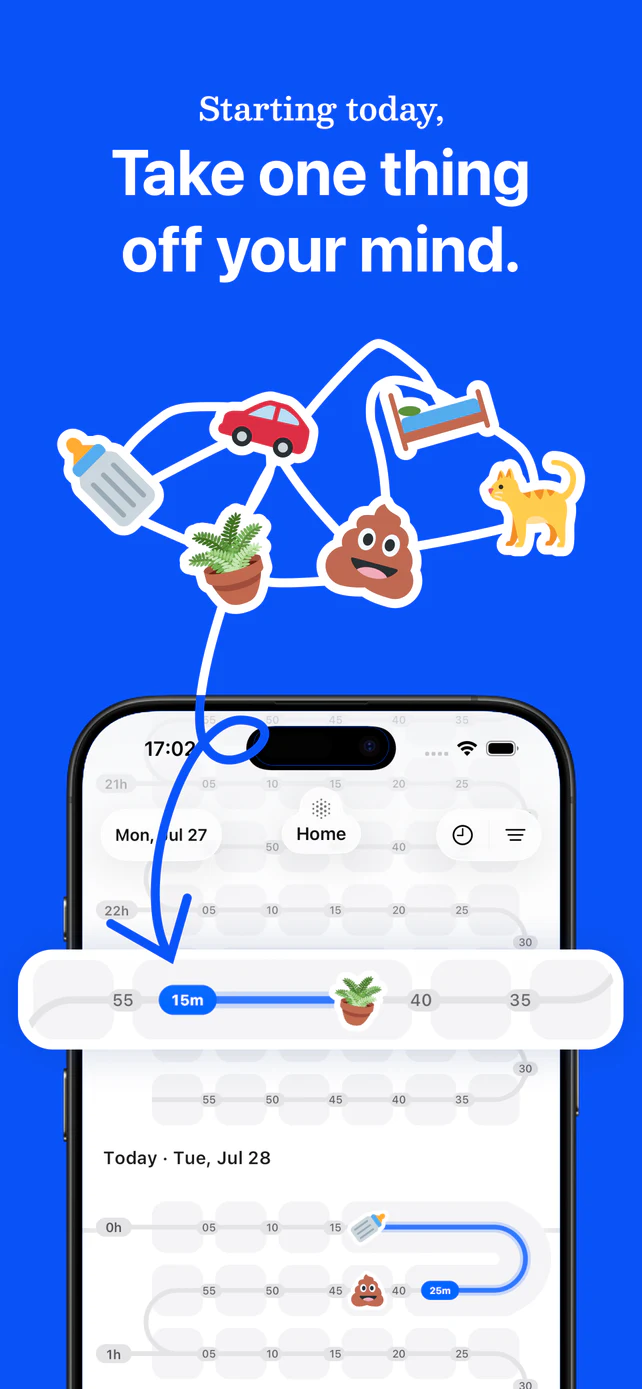
Wen gives a named vehicle and seasonal tire set a Sticker, a last-tracked time, and shared history. The person who completes the household's chosen event can mark it, and invited members can find the same answer later.
- Create a Sticker for the specific vehicle and seasonal tire set.
- Mark it after the chosen seasonal-tire event is complete.
- Check Last Tracked later instead of reconstructing the date from memory.
A vehicle record, not tire or driving advice
Wen does not provide a weather trigger, schedule, tire-size or wheel-fit recommendation, purchase guidance, mounting or jack procedure, pressure or tread guidance, legal requirement, roadworthiness conclusion, or safety assessment.
Sources and further reading
- Tire Safety Ratings and AwarenessNational Highway Traffic Safety Administration, accessed 2026. Government terminology for seasonal tire categories and the boundary that vehicle-specific questions belong with the owner's manual.
- Summer vs. Winter vs. All-Season TiresMichelin, accessed 2026. Manufacturer terminology distinguishing seasonal tire sets, complete-wheel swaps, and tire remounting; product and weather recommendations are outside Wen.
Sources last verified 2026-08-08.