


Tracking one thing
Track When You Last Tested the Carbon-Monoxide Alarm
A carbon-monoxide alarm test tracker answers a practical household question: when did we last record a test of the named alarm? Wen records the household's confirmed mark. It does not test the device, detect carbon monoxide, or provide emergency protection.
Define the carbon-monoxide alarm event
Testing an alarm, changing its battery, replacing the alarm, checking a fuel-burning appliance, and responding to an alarm are different events. Name the one your household wants to remember.
- Name the alarm, floor, room, model, or location clearly.
- Keep testing, battery changes, replacement, and appliance service as separate records.
- Mark the Sticker after the chosen test event is complete.
- Keep reminders separate from the factual history.
Why the last CO-alarm test date disappears
Carbon-monoxide alarms may be placed in several areas and may use different power arrangements. A household can remember hearing a device or changing a battery without remembering which alarm was tested and when.
A named mark preserves the alarm and the recorded event. It does not turn a timestamp into proof that the device, fuel-burning equipment, or home is protected.
Testing is separate from other safety events
The US Fire Administration describes carbon monoxide as an invisible, odorless hazard and discusses alarms alongside fuel-burning appliances, vents, and household safety. Those are related subjects, but they are not the same recorded event.
That context supports keeping an alarm test distinct from a smoke-alarm test, battery change, appliance service, or emergency response. It does not let Wen assess a home or device.
Sources: CO Alarms, Carbon Monoxide Poisoning Prevention, CO Alarm Toolkit
Record the event without claiming protection
The test method, device type, placement, power arrangement, and response to an alarm belong to the product instructions and appropriate local safety guidance. A household can record a completed event without making the app responsible for the safety system.
Wen can preserve when the household marked the event. It cannot sense gas, hear the alarm, inspect an installation, contact emergency services, or guarantee warning.
Sources: CO Alarms, Carbon Monoxide Poisoning Prevention, CO Alarm Toolkit
Wen
How Wen helps track carbon-monoxide alarm tests
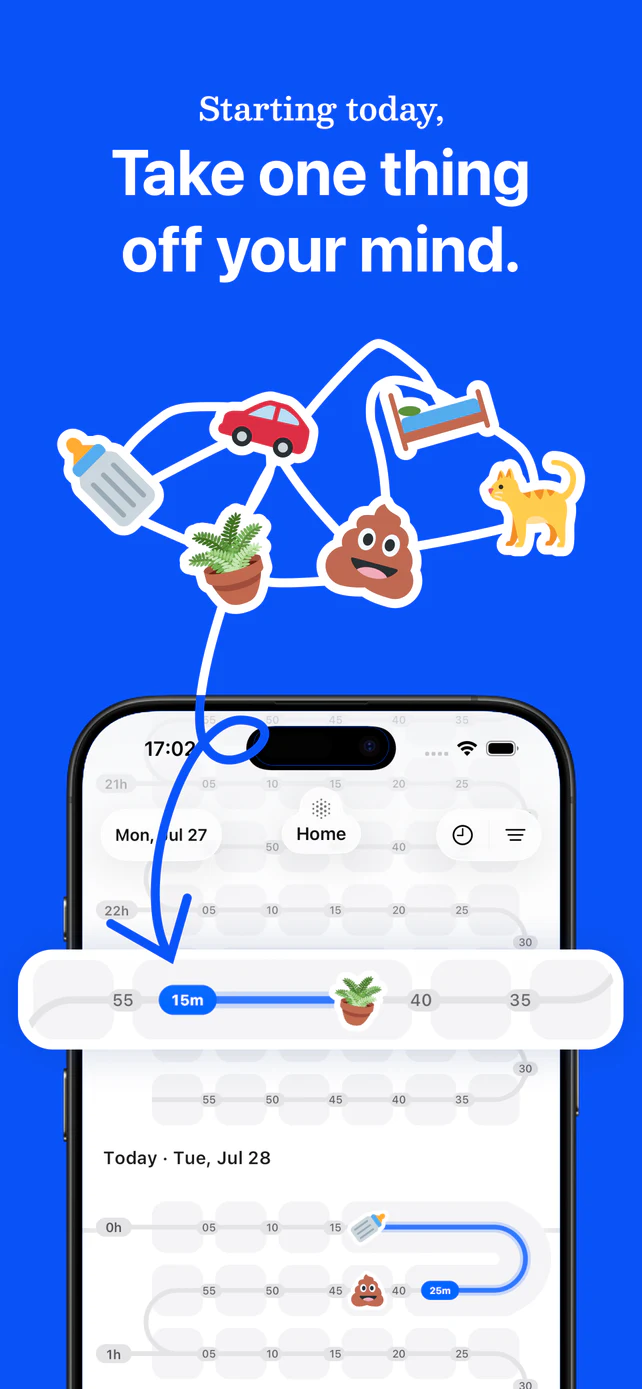
Wen gives a named carbon-monoxide alarm a Sticker, a last-tracked time, and shared history. The person who completes the household's chosen event can mark it, and invited members can find the same answer later.
- Create a Sticker for the specific alarm or location.
- Mark it after the chosen test event is complete.
- Check Last Tracked later instead of guessing which alarm was tested.
A factual log, not gas or emergency protection
Wen does not test an alarm, detect carbon monoxide, prescribe a test schedule, assess fuel-burning equipment, determine compliance, or provide emergency guidance. Follow the alarm instructions and local safety guidance outside Wen.
Sources and further reading
- CO AlarmsUS Consumer Product Safety Commission, accessed 2026. Official context distinguishing carbon-monoxide alarms, smoke alarms, combination devices, and source-specific testing language.
- Carbon Monoxide Poisoning PreventionUS Fire Administration, accessed 2026. Official context on carbon monoxide, alarms, fuel-burning appliances, and vents.
- CO Alarm ToolkitNational Fire Protection Association, accessed 2026. Standards-organization context for a test-button event and manufacturer-instruction boundaries.
Sources last verified 2026-08-08.